Hugo: A Cute Handwritten Font for Creative Projects
There I was, staring at a blank brand board, trying to figure out how to bring a new boutique coffee shop’s identity to life. The client wanted something warm, approachable, and a little bit whimsical. After testing several options, I landed on Hugo—a cute handwritten font that felt just right for the vibe they were going for.
What Makes Hugo Unique
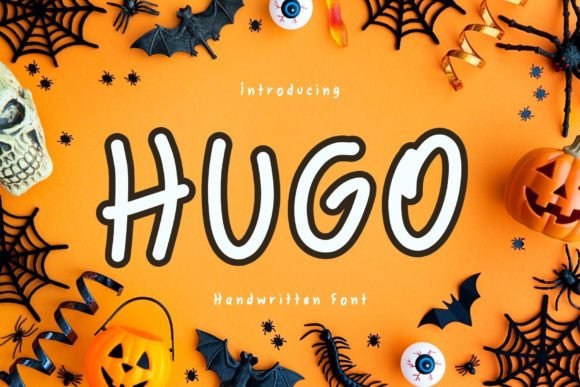
Hugo is a typeface that exudes playfulness and authenticity. Its soft, irregular strokes and gentle curves give it a handcrafted feel that feels personal and inviting. It’s not overly stylized, but it has enough character to stand out without being distracting. The font works best when used in smaller doses, like headlines, logos, or short phrases, where its personality can shine through.
One of the things I noticed during my testing was how Hugo balances warmth with clarity. Even though it’s a handwritten style, it doesn’t sacrifice legibility. That makes it versatile for different design applications, from packaging to web headers.
Testing Hugo in Real-World Branding
I started by using Hugo on a logo concept for the coffee shop. The font added a friendly, artisanal touch that matched the brand’s values. When paired with a simple icon, it created a cohesive visual language that felt both modern and nostalgic.
Next, I tried it on a packaging mockup. The font looked great on a small label, adding a sense of care and craftsmanship. It worked well with a minimalist color palette, letting the typography take center stage without overwhelming the design.
On a business card, Hugo stood out as a strong headline font. It gave the card a personal, handmade feel that made it memorable. I also tested it on a website header and social media layout, where it added a nice contrast to more structured elements like sans serif body text.
When Hugo Shines
Hugo is best suited for display purposes. It’s not ideal for long paragraphs or body text, as the irregularity of the strokes can make reading difficult at smaller sizes. But when used as a headline, logo, or accent font, it adds a unique personality to any design.
It pairs well with clean, modern fonts. For example, pairing Hugo with a serif or sans serif typeface creates a balanced look that highlights the handwritten charm without clashing. This makes it a great choice for branding projects that need a mix of warmth and professionalism.
I found that Hugo works especially well in creative industries—like cafes, boutiques, or handmade shops—where the tone of the brand is more casual and expressive. It can also be a good fit for editorial design, such as magazine covers or promotional posters, where visual interest is key.
Limitations and Considerations
While Hugo is a fun and expressive font, it’s not the best choice for formal or corporate settings. Its informal nature might not align with the expectations of a more traditional brand. Additionally, because of its handwritten style, it may not render consistently across all devices or platforms, so it’s important to test it thoroughly before finalizing any design.
Another thing to keep in mind is the availability of alternate characters and ligatures. Depending on the version of Hugo you’re using, there may be variations in how the font looks, which can affect the overall consistency of your design. Checking these details before use can save time and prevent unexpected results.
Practical Tips for Using Hugo
If you’re considering using Hugo in your next project, start by testing it in a few different contexts. Try it on a mockup, a logo, or a social media graphic to see how it performs. Pay attention to how it looks at different sizes and against various background colors.
Also, make sure to review the licensing terms before using the font in client work or commercial projects. Hugo, like many premium fonts, comes with specific usage rights that you should understand to avoid legal issues down the line.
Finally, don’t be afraid to experiment. Hugo is a flexible tool that can add a unique touch to your designs. Whether you’re working on a logo, a packaging system, or a digital asset, it’s worth exploring how it can enhance your creative vision.